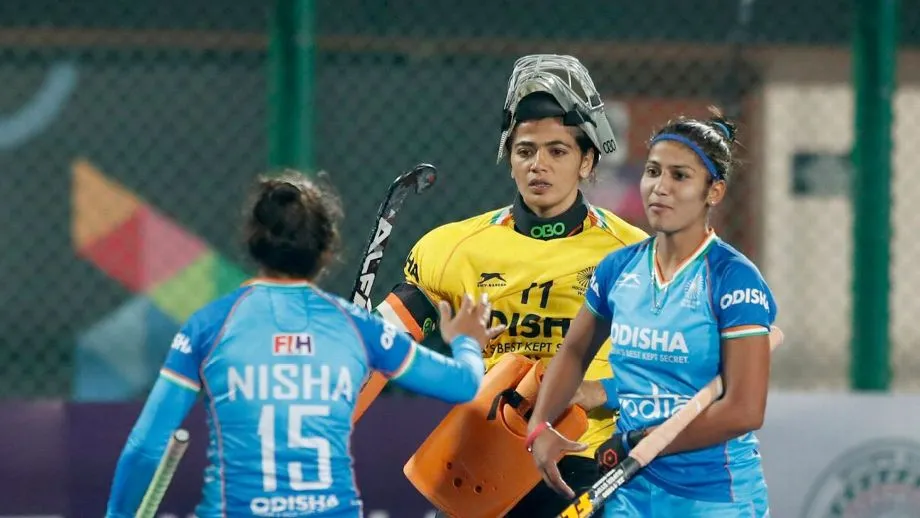
India’s sporting ecosystem in 2026 stands at a pivotal juncture, marked by a dense calendar of marquee international events and sustained domestic activity. With the Commonwealth Games, Asian Games, and two major global chess championships on the horizon, the year promises heightened visibility and performance expectations. April, in particular, exemplifies this intensity with a packed schedule spanning disciplines. As fan engagement deepens and institutional investments rise, India’s sports narrative is increasingly defined by professionalism, commercial growth, and global competitiveness, positioning the country as a serious stakeholder in the international sporting economy.
A Transformational Year for Indian Sports
The year 2026 represents more than just a sequence of tournaments for India—it signals a strategic inflection point in the nation’s sporting ambitions. Anchored by high-profile global events such as the Commonwealth Games and the Asian Games, the calendar reflects both opportunity and pressure for Indian athletes and administrators alike.
These events are not merely competitions; they are platforms for geopolitical soft power, commercial expansion, and talent validation. The inclusion of two Chess World Championships further underscores India’s growing stature in intellectual sports, an area where the country has consistently demonstrated global leadership.
April: A Microcosm of Sporting Intensity
April serves as a concentrated snapshot of the broader sporting frenzy. With multiple disciplines unfolding simultaneously, the month highlights the operational complexity of managing elite-level sports in a rapidly expanding ecosystem.
According to updates curated by ESPN, daily tracking of fixtures, results, and athlete performances has become essential for both fans and stakeholders. The surge in real-time engagement reflects a maturing audience that demands immediacy, accuracy, and depth in sports coverage.
This dense scheduling also places a premium on athlete conditioning, recovery protocols, and strategic planning—areas where Indian sports bodies are increasingly adopting data-driven approaches.
Commercial Implications and Financial Growth
The expanding sports calendar carries significant financial ramifications. Sponsorship deals, broadcasting rights, and digital streaming revenues are expected to witness substantial growth, driven by heightened viewership and brand participation.
Major multi-sport events like the Asian Games and Commonwealth Games attract multinational sponsors and open avenues for Indian corporations to align with national pride narratives. This convergence of sport and commerce is fostering a robust sports economy, where athlete endorsements and league valuations are reaching unprecedented levels.
Moreover, the structured dissemination of schedules and results enhances transparency and investor confidence, key factors in sustaining long-term financial inflows into the sector.
The Rise of Structured Sports Coverage
The role of centralized sports coverage platforms, particularly those managed by organizations like ESPN, has become indispensable. By offering consolidated updates, expert commentary, and analytical insights, these platforms bridge the information gap in an otherwise fragmented sports landscape.
This evolution reflects a broader shift toward professionalized sports journalism in India—one that prioritizes accuracy, context, and audience engagement. The integration of data analytics and storytelling further enriches the consumer experience, making sports content more accessible and intellectually engaging.
Strategic Outlook: Beyond 2026
While 2026 is poised to be a landmark year, its true significance lies in its long-term implications. The convergence of global events, enhanced media coverage, and rising commercial interest is setting the foundation for sustained growth in Indian sports.
For policymakers and investors, the challenge will be to convert this momentum into structural reforms—ranging from grassroots development to high-performance infrastructure. For athletes, the year offers a stage to redefine global perceptions and establish India as a consistent powerhouse across disciplines.
Conclusion
India’s sporting journey in 2026 is not just about medals or milestones; it is about transformation. With a packed calendar, rising financial stakes, and increasing global attention, the nation stands on the cusp of a new era. As April’s action-packed schedule demonstrates, the pace is relentless—but so is the potential.
Comments