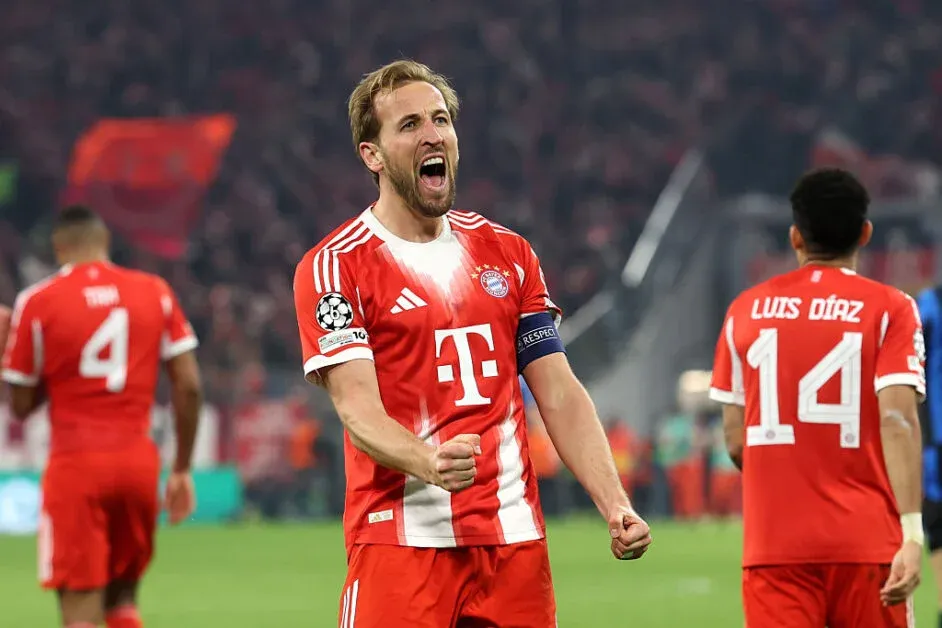
The anticipated clash between FC Bayern Munich and Atalanta BC represents more than a routine European football fixture. It highlights the strategic evolution of modern club football, where tactical innovation intersects with a rapidly expanding financial ecosystem. Bayern Munich arrives with a legacy of continental success and significant commercial strength, while Atalanta continues to build its reputation through disciplined strategy and progressive attacking play. The matchup underscores the economic magnitude of elite European competitions, where broadcasting contracts, sponsorship agreements, and global fan engagement collectively generate billions of rupees, reinforcing football’s status as one of the world’s most influential sporting industries.
A High-Profile European Encounter
The meeting between FC Bayern Munich and Atalanta BC has attracted considerable attention among football analysts and supporters across Europe. Encounters between these clubs typically feature high-intensity play and tactical sophistication.
Bayern Munich, long regarded as one of Europe’s most dominant football institutions, enters the contest with expectations of maintaining its competitive authority. Atalanta, by contrast, represents the modern rise of strategically managed clubs that challenge traditional powerhouses through innovative tactics and disciplined execution.
This dynamic promises a contest rich in both technical quality and strategic intrigue.
Bayern Munich’s Legacy and Financial Strength
For decades, FC Bayern Munich has established itself as a cornerstone of European football. The club’s consistent success in Germany’s top division, the Bundesliga, has helped build a robust commercial structure supported by global partnerships and extensive fan engagement.
The organization’s participation in elite competitions such as the UEFA Champions League has significantly amplified its financial capabilities. Broadcasting revenues, sponsorship arrangements, and merchandising operations collectively generate billions of rupees annually.
Such economic strength enables Bayern to invest heavily in player development, infrastructure, and world-class talent acquisition.
Atalanta’s Strategic Rise in European Football
In recent years, Atalanta BC has emerged as one of Europe’s most intriguing football projects. Competing in Italy’s Serie A, the club has cultivated a reputation for progressive tactics and a strong emphasis on youth development.
Rather than relying solely on expensive transfers, Atalanta has adopted a data-driven recruitment strategy that identifies undervalued talent capable of thriving within its attacking system. This approach has allowed the club to compete effectively against wealthier opponents.
The result is a team known for fluid formations, relentless offensive pressure, and an ability to disrupt even the most established European sides.
The Business Dimension of European Football
Matches involving clubs of this stature carry substantial financial implications. European tournaments organized by UEFA represent one of the most lucrative ecosystems in global sport.
Media rights agreements alone are valued at billions of rupees, with global broadcasters competing for access to high-profile fixtures. Sponsorship deals, stadium revenue, and merchandise sales further strengthen the financial framework surrounding these competitions.
For participating clubs, each match offers both sporting and commercial opportunities, reinforcing brand visibility and expanding international fan bases.
Tactical Preparation and Modern Analytics
Ahead of the contest, both teams have intensified their preparations through advanced performance analytics and strategic planning. Modern football clubs increasingly rely on data science, player tracking technologies, and video analysis to gain competitive advantages.
Bayern Munich is expected to emphasize structured possession and attacking fluidity, while Atalanta may deploy rapid counterattacks and high pressing to destabilize the German side’s rhythm.
These contrasting approaches illustrate how tactical innovation continues to shape elite football competitions.
A Symbol of Football’s Global Transformation
Ultimately, the encounter between FC Bayern Munich and Atalanta BC exemplifies the modern evolution of football into a global entertainment and financial enterprise.
As European competitions continue to expand their commercial reach, matches of this caliber reinforce the sport’s unique ability to combine athletic excellence with significant economic influence.
For supporters, analysts, and investors alike, the fixture serves as a reminder that contemporary football operates at the intersection of strategy, spectacle, and financial power—an industry measured not only in goals scored but also in billions of rupees generated across the global sporting marketplace.
Comments